Level A
Maximum military protection
Designed for the most severe worldwide shipment, handling and open-storage conditions. Specification containers, blocking and bracing, and full unit-pack preservation.
Capabilities
Every capability below is executed against the packaging data on the contract line item or the Special Packaging Instruction that governs it. Where the requirement is written, we follow it exactly; where it is unclear, we ask before we build.
MIL-STD-2073-1
The method code on your requirement drives the materials, the barrier and the closure. These are the methods we run routinely.
| Method | Protection | Typical application |
|---|---|---|
| Method 10 | Physical protection | Items needing no preservative barrier — protected against physical damage only, cushioned and contained in a specification carton. |
| Method 20 | Watervaporproof, no desiccant | Sealed barrier bag protecting against liquid water and water vapor where a desiccant unit is not required. |
| Method 30 | Waterproof protection | Greaseproof or waterproof wrap and seal for items exposed to liquid water during handling and transport. |
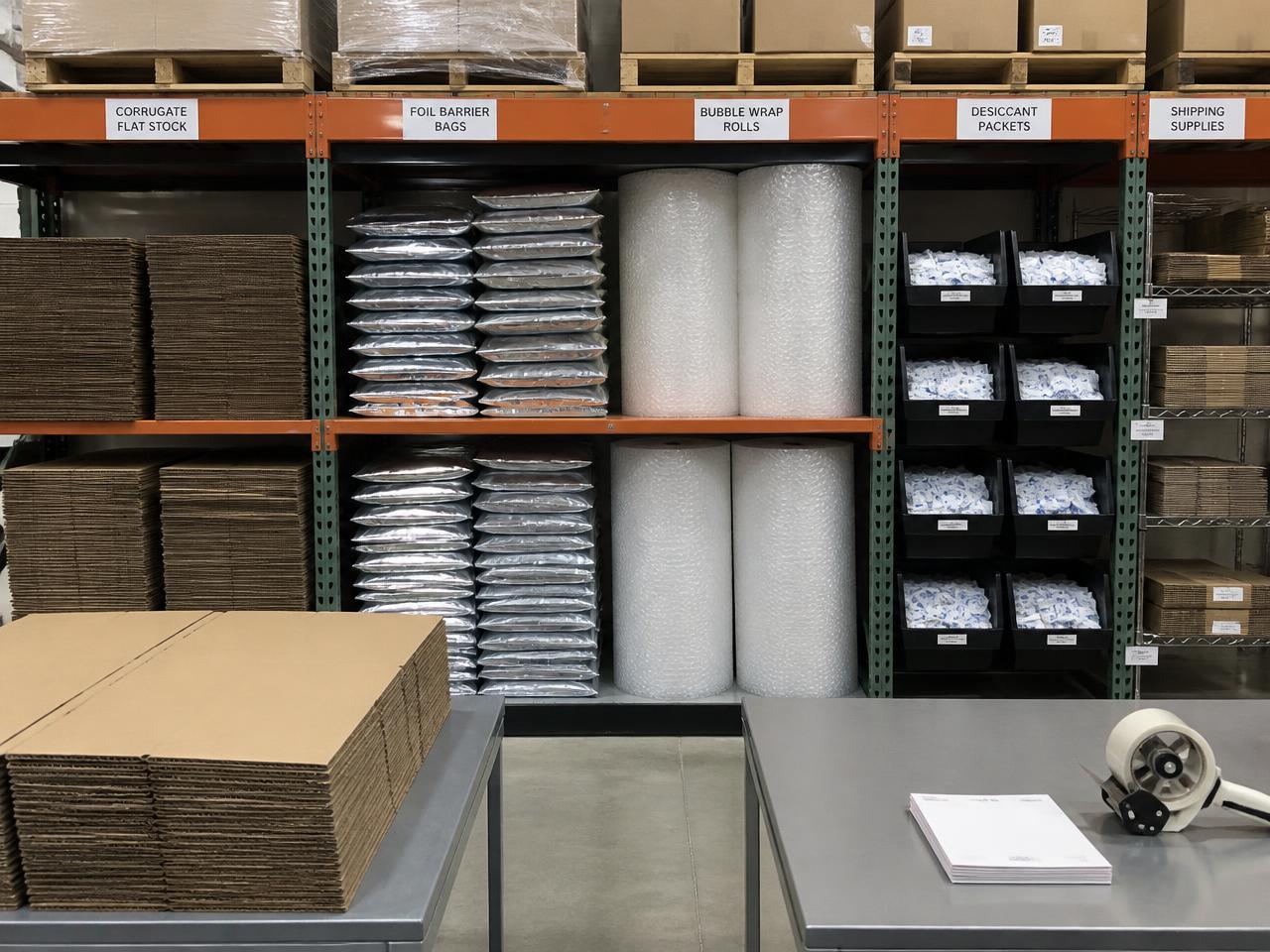
| Method 40 | Watervaporproof with desiccant | Heat-sealed barrier bag with desiccant sized to the enclosed volume, plus humidity indicator when specified. |
| Method 50 | Watervaporproof, rigid container | Barrier-sealed unit pack inside a rigid container for corrosion-critical or fragile items in long-term storage. |
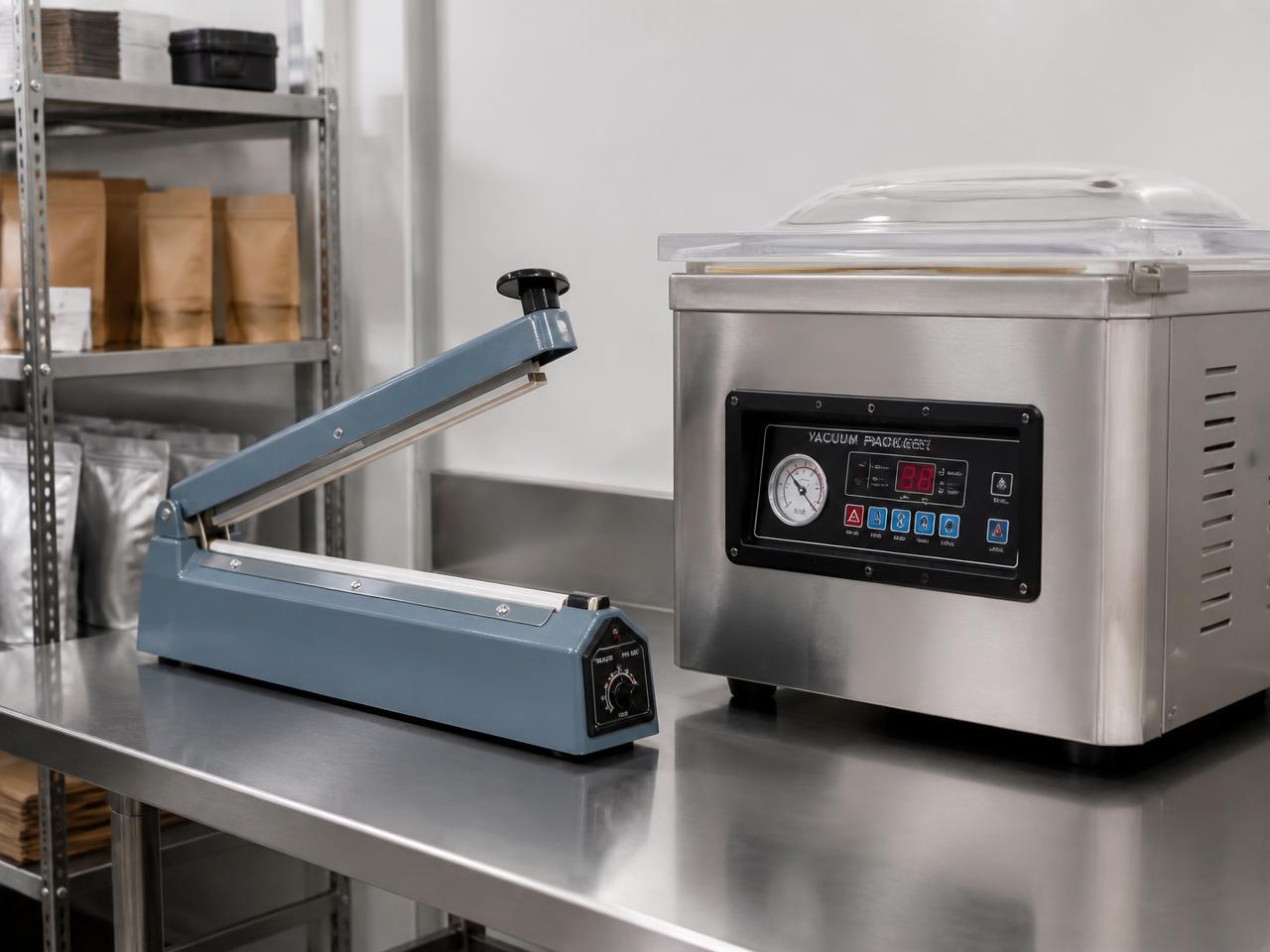
| Method 55 | Vacuum or gas-flush barrier | Evacuated or inert-gas-purged barrier pack for the most preservation-sensitive assemblies. |
Levels of protection
Level A
Designed for the most severe worldwide shipment, handling and open-storage conditions. Specification containers, blocking and bracing, and full unit-pack preservation.
Level B
Protection for favorable known conditions of shipment, handling and storage, using lighter specification containers where the packaging data allows.
Level C
ASTM D3951 commercial packing when the contract permits it — still marked and documented to DoD requirements.
Scope of work
Containers & export
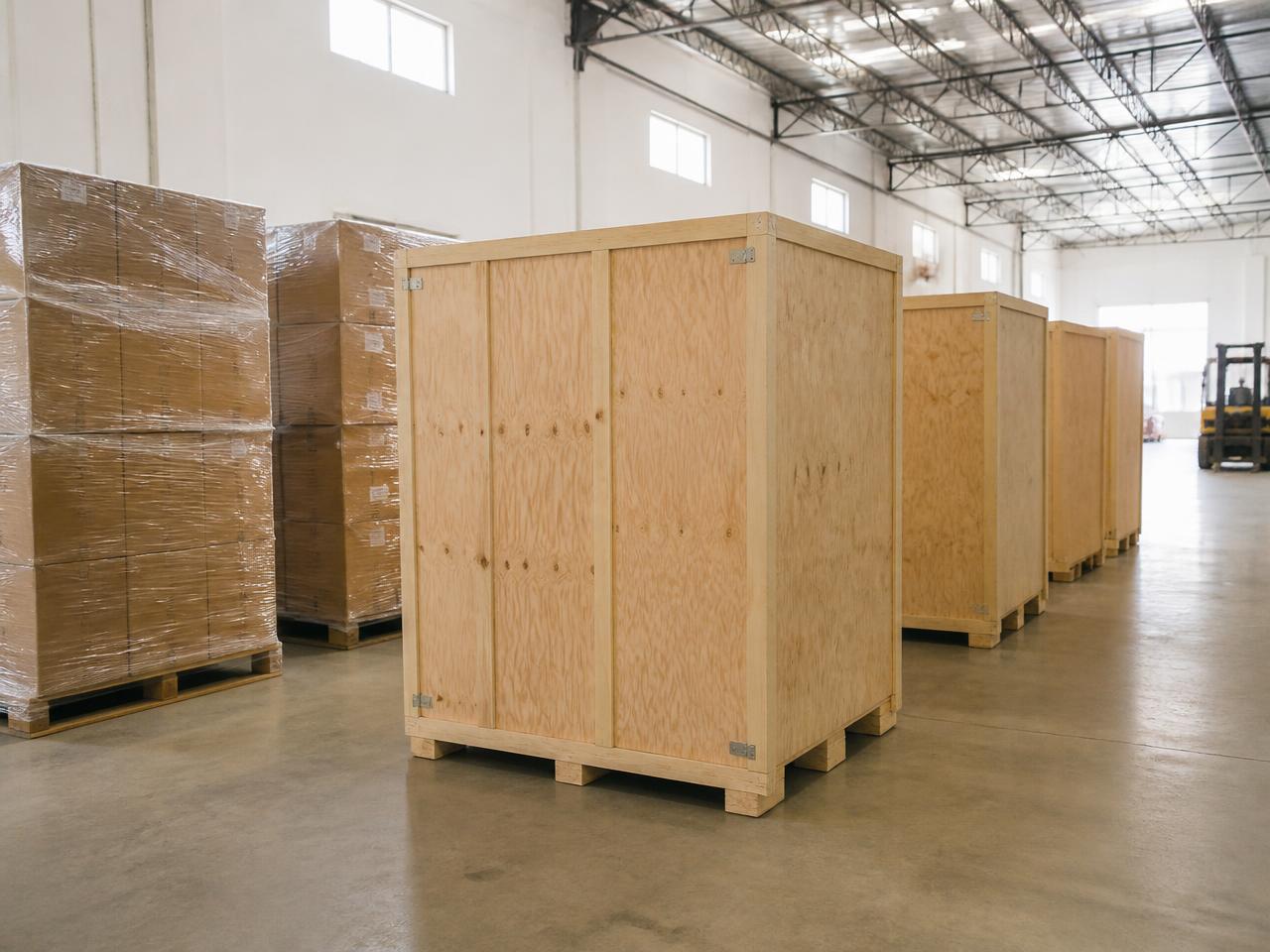
Overseas and long-term-storage shipments fail at the container more often than at the unit pack. We build wood boxes and crates to the applicable ASTM standard, use ISPM 15 heat-treated lumber for export, and block, brace and anchor contents so the load arrives as it left.